Traditional publishing is not dead, but the gatekeeping is. That’s the real shift nobody talks about enough.
For decades, getting a book published meant querying agents, waiting months for rejections, signing contracts that handed over most of your rights, and then waiting another year or two before your book hit shelves. Some writers still go that route. But a growing number of authors, coaches, consultants, entrepreneurs, independent researchers are asking a fair question: why?
Self-publishing isn’t a fallback anymore. For a lot of people, it’s the smarter choice. Here’s why, and a few companies worth knowing if you’re ready to move.
Why Self-Publishing Makes Sense

You keep the rights.
When you self-publish, the copyright stays yours. Nobody else gets to decide what formats your book appears in, whether there’s a sequel, or what gets licensed. That matters more than most first-time authors realize until it’s too late.
The royalties are incomparable.
Traditional publishers typically pay 10–15% royalties on print, less on digital. Self-published authors on platforms like Amazon KDP can earn 35–70% per sale. The math isn’t close.
You control the timeline.
A traditional deal can take three to four years from acceptance to publication. Self-publishing can move in months, sometimes weeks. If your book is tied to a trend, a business launch, or a moment, that speed matters.
You own the audience relationship.
When someone buys your self-published book, you can build a direct relationship with that reader email list, community, follow-up work. With traditional publishing, the publisher owns the retail relationship, not you.
The stigma is gone.
It just is. Some of the most successful books of the last decade started as self-published titles. Readers don’t check who distributed the book. They check whether it’s any good.
5 Companies That Help You Do It Well

Self-publishing is accessible, but it’s not effortless. Writing the book is one thing. Editing, formatting, cover design, distribution, and marketing are real work. These companies cover different pieces of that puzzle
1. Amazon KDP (Kindle Direct Publishing) – The Distribution Default
Source: Google
If you’re publishing an eBook or print-on-demand book, KDP is the infrastructure most authors use at some point. It’s not glamorous, but the reach is real: millions of Kindle readers, global distribution, and no upfront cost.
KDP works best when you come in with a finished, formatted manuscript. It doesn’t hold your hand through the creative process. But for getting a completed book in front of readers quickly, nothing else has comparable scale.
If you want the full walkthrough, from formatting your manuscript to pricing and categories, we cover it in our step-by-step guide to publishing a book on Amazon.
2. eBook Writing AI – For Authors Who Want Professional Help From Start to Finish
Source: Google
Most self-publishing services assume you already have a manuscript. eBook Writing AI starts earlier than that.
The company handles the full writing and production process from concept development through to a polished, publish-ready eBook. Their team works with subject matter experts, business professionals, coaches, and entrepreneurs who have ideas worth putting into a book but don’t have the time (or frankly the inclination) to write tens of thousands of words themselves.
What sets them apart is the professional writing service paired with proper production. You’re not getting a template fill-in or a raw AI dump, you’re getting writers who understand how to structure a non-fiction eBook that people actually finish reading.
If you have expertise to share and want a book that reflects it properly, this is where to start.
3. Draft2Digital – For Wide Distribution Without the Headache
Source: Google
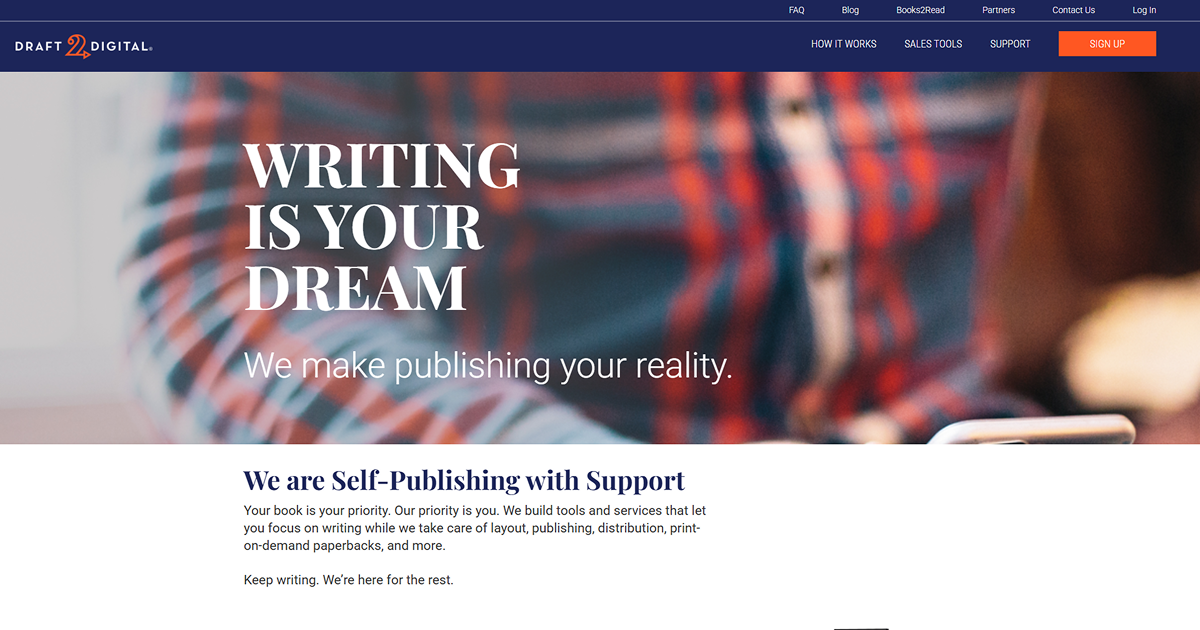
Amazon isn’t the only platform, and some authors don’t want to be locked into one retailer. Draft2Digital distributes to Apple Books, Kobo, Barnes & Noble, OverDrive (libraries), and dozens of other outlets from a single upload.
Their formatting tools are genuinely good, and the royalty splits are reasonable. If you want your book available broadly, not just on Amazon, Draft2Digital handles the logistics.
4. Reedsy – For Connecting With Vetted Freelance Professionals
Source: Google
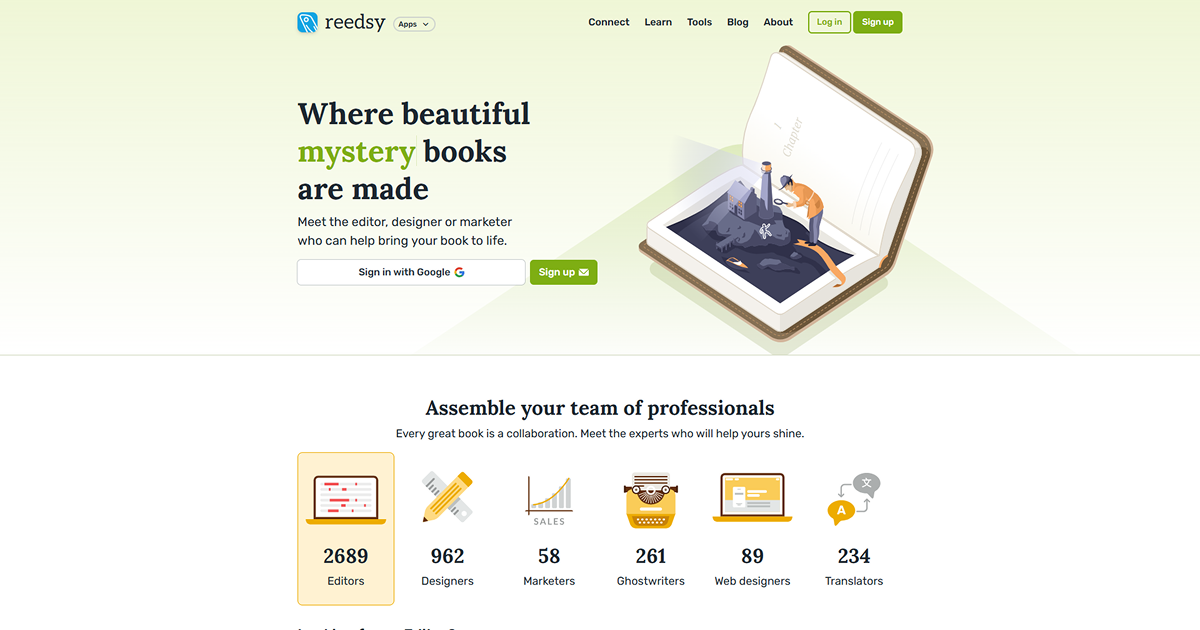
Reedsy is a marketplace that connects authors with editors, cover designers, book marketers, and formatters. Every professional on the platform has gone through a vetting process, which means the quality difference between a random Fiverr gig and a Reedsy-listed developmental editor is significant.
If you have a manuscript that needs serious editorial work before publication, Reedsy is where to look. It’s not cheap, but it’s not meant to be. You’re paying for quality.
5. IngramSpark – For Authors Who Want Print Distribution Into Bookstores
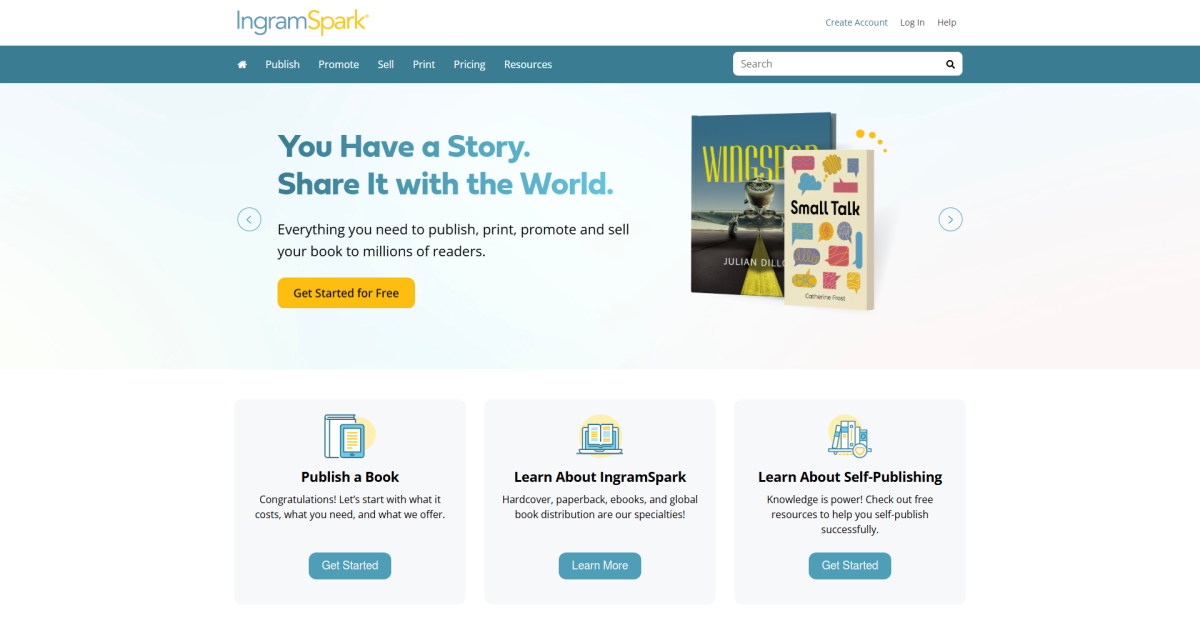
Most self-published books don’t end up on physical bookstore shelves. IngramSpark is the exception. Because Ingram is the largest book distributor in the world, titles published through IngramSpark can be stocked by independent bookstores, chains, and libraries.
There’s more setup involved trim sizes, ISBNs, distribution settings and the interface isn’t as beginner-friendly as KDP. But if physical retail is part of your plan, IngramSpark is the path.
One Last Thing
Self-publishing done badly still produces a bad book. A poorly edited manuscript with a cheap cover and no marketing plan will sit unread regardless of how it was published. The platform doesn’t save you from the craft.
The companies above handle different pieces of the production chain. None of them replace having something worth saying.
But if you have the expertise and just need someone to help you get it into a book that reflects it properly, eBook Writing AI handles the writing alongside you, not just the distribution afterward. That’s a different kind of help, and for a lot of people, it’s the piece that was actually missing.